How to help a friend with addiction
How to Help a Friend with Addiction: A Step-by-Step Supportive Guide
Discovering that a close friend is struggling with drug addiction can be a heartbreaking and overwhelming experience. You may feel helpless, angry, or deeply anxious about their future. While you cannot force someone to change, your actions, boundaries, and communication style can play a pivotal role in guiding them toward recovery.
Navigating this path requires a delicate balance of compassion, patience, and firm boundaries. Below is an actionable, step-by-step guide on how to effectively support a friend facing substance abuse while protecting your own mental well-being.
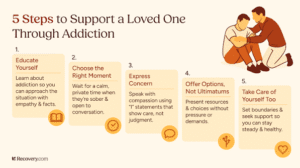
1. Educate Yourself on Substance Abuse
Before you approach your friend, it is vital to understand that addiction is a complex brain disease, not a moral failure or a lack of willpower. Drugs alter the brain’s chemistry, making the compulsion to use incredibly powerful.
Take time to research the specific substance your friend is using. Learn about its side effects, withdrawal symptoms, and the behavioral signs of dependency. By understanding the physical and psychological realities of substance abuse, you can approach your friend with empathy rather than judgment or frustration.
2. Choose the Right Time and Place to Talk
Communication is the most critical tool you have, but timing is everything. Never attempt to have a serious, deep conversation about addiction when your friend is actively under the influence or experiencing a severe crash.
Instead, wait for a calm, sober moment when you are both in a private, safe environment free from distractions. Approach the conversation from a place of love and concern rather than anger. Use “I” statements—such as “I am worried about you” or “I’ve noticed you haven’t been feeling like yourself lately”—to avoid making them feel cornered or defensive.
3. Establish and Maintain Firm Boundaries
When trying to help a friend, it is incredibly easy to cross the line from supporting them to enabling them. Enabling occurs when you shield your friend from the negative consequences of their actions, which ultimately delays their desire to seek professional help.
Stop lying or making excuses for their behavior to employers, mutual friends, or family members. Additionally, never lend them money, pay their bills, or bail them out of situations caused by their substance use. Setting firm boundaries is not cruel; it is a necessary act of love that forces them to face the reality of their situation.
4. Avoid Shaming, Blaming, or Lecturing
When confronting a friend, emotions run high. However, yelling, lecturing, or trying to guilt-trip them will almost always backfire. Individuals struggling with addiction already carry immense amounts of internal shame and guilt.
If you attack their character, they will likely withdraw, lie, or completely shut down communication. Listen actively to their perspective without interrupting. Let them know that while you completely disapprove of their destructive behaviors, you still love and care about them as a person.
5. Offer Practical Help to Find Professional Care
Struggling individuals are often paralyzed by the logistics of finding treatment. You can make a tangible difference by offering to help them research professional treatment options, rehabilitation centers, or local support groups.
Offer to drive them to an evaluation appointment, sit with them while they call a helpline, or attend an open support group meeting with them. Breaking down these overwhelming administrative barriers can give your friend the momentum they need to take the first step toward sobriety.
Conclusion: Remember to Protect Your Own Mental Health
You cannot save your friend on your own, and you are not responsible for their recovery. Ultimately, the decision to get clean rests entirely in their hands. As you support them, make sure you are actively looking after your own mental health. Consider joining support networks like Al-Anon or Nar-Anon, which are designed specifically for the friends and families of individuals facing addiction.